ABOUT US
Find out more about the RELECOV network and our role in the fight against the COVID-19 pandemic
About the RELECOV Network
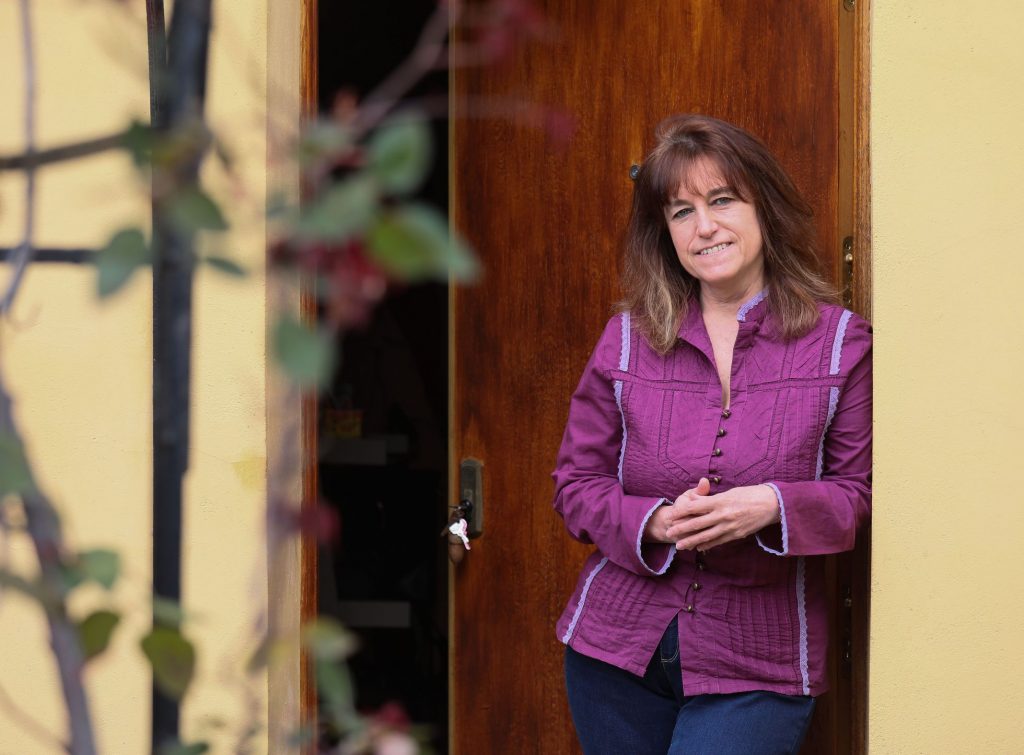
A welcome from our RELECOV leader Inmaculada Casas
The replication process of the SARS-CoV-2 virus, like the rest of the viruses, implies changes in its genome through mutations. Thanks to genomic sequencing, it has been possible to observe the evolutionary adaptation and diversification of the SARS-CoV-2 virus at a global level throughout the pandemic.Surveillance of these changes has made it possible to monitor the appearance and impact of these changes, especially those that could be associated with an increase in severity or lethality, which escape the effect of neutralizing antibodies generated after a previous infection or after infection. vaccination, that cannot be detected by any of the diagnostic methods or that are resistant to the action of possible treatments. The appearance of variants with some of these changes could have important epidemiological consequences, constituting a public health problem.For this reason, on January 19, the European Commission published a statement urging countries to increase the sequencing rate by requesting the sequencing of at least 5%, and preferably 10%, of the positive results of the COVID-19 tests. , minimize delays in results and ensure that this data is shared, so that comparisons can be made. As a result of this request, the Genomic Sequencing Laboratory Network (RELECOV) was born.RELECOV aims to cover the sequencing needs of SARS-CoV-2 at the national level.
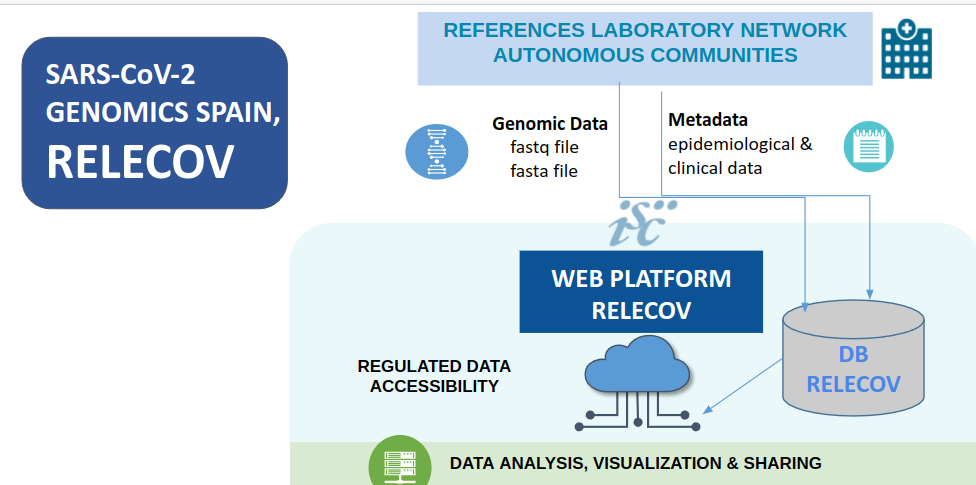
This network, coordinated by the Reference Laboratory for Respiratory Viruses of the National Microbiology Center (Carlos III Health Institute), is in turn responsible for reporting cases to the ECDC and the WHO.The participants in the network have been appointed by the different Autonomous Communities, all of them and the two autonomous cities being represented. The participation modality is different according to the decision of each autonomous community, being able to form part of the network of more than one laboratory or sequencing consortia.The early generation of sequences and the pooling of the sequences obtained are key tools in virus surveillance and in preparing for future public health alerts.
SARS-CoV-2 Genomics for Public Health:
our scope, analysis and highlights


Latest updates
The project is endowed with more than 5 million euros and has an execution period of approximately one year.
A new EU bio-defence preparedness plan against SARS-CoV-2 variants launched by the European Commission on 17 February 2021.
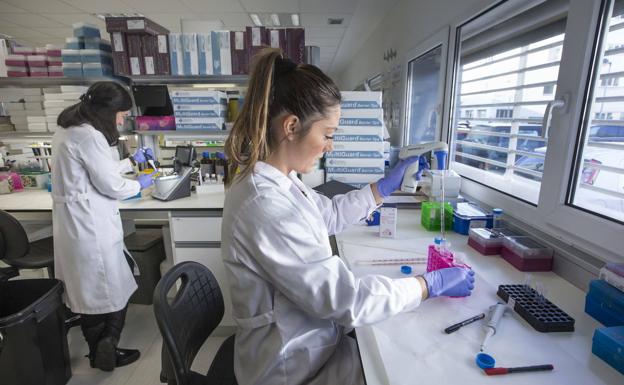
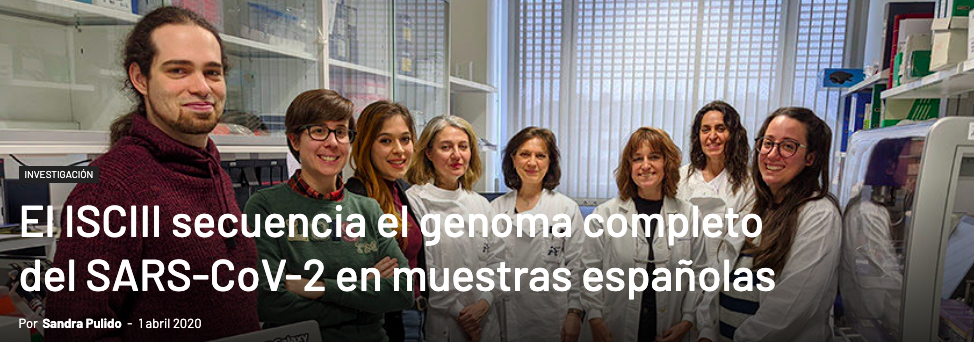
The Respiratory Virus Laboratory of the CNM of the ISCIII has performed the complete sequencing of the new SARS-CoV-2 coronavirus thanks to the use of respiratory samples from patients from different areas of Spain.